
Health
Aponeyrvsh Guide: Benefits, Techniques & Beginner Tips


You stumble across the word Aponeyrvsh online and curiosity sparks. Is it a lifestyle practice? A mindfulness technique? Or something deeper that blends movement, focus, and creativity?
In today’s fast paced world many people are searching for ways to slow down reconnect with themselves, and build mental clarity. Practices that combine mindfulness, physical movement, and self expression are becoming increasingly popular. That’s exactly where Aponeyrvsh enters the picture.
This powerful yet flexible practice is gaining attention among beginners and experienced enthusiasts alike. In this complete guide you’ll discover what Aponeyrvsh is, where it came from, its benefits, beginner techniques, advanced strategies, and common myths so you can start your journey with confidence.
What Is Aponeyrvsh?
Aponeyrvsh is a modern wellness practice that blends intentional movement, mindful breathing, and creative expression. The goal is to strengthen the connection between mind and body while encouraging personal awareness.
Unlike rigid training systems Aponeyrvsh focuses on adaptability. Practitioners adjust movements, breathing patterns, and focus techniques based on their personal needs and comfort levels.
At its core Aponeyrvsh encourages individuals to become more aware of their physical sensations and mental state. This awareness helps reduce stress while improving focus and emotional balance.
New Jersey Under Statewide Blizzard Warning as Powerful Winter Storm Impacts Millions
Experts in holistic wellness often describe Aponeyrvsh as a hybrid discipline combining elements of meditation, rhythmic movement, and personal reflection. This flexibility makes it accessible for beginners while still offering depth for advanced practitioners.
The Origins and History of Aponeyrvsh
Although Aponeyrvsh has gained attention in recent years its conceptual roots trace back much further. Early forms of similar practices existed in ancient cultures that emphasized harmony between the body, mind, and environment.
Historical research suggests that many early civilizations practiced ritualistic movements and breathing exercises for healing and spiritual awareness. These practices often appeared in traditional ceremonies and personal wellness routines.
Over time, different cultures refined these ideas into structured methods for self discovery, physical balance, and mental clarity. Aponeyrvsh is believed to be a modern evolution of those philosophies.
Today’s version of Aponeyrvsh combines ancient wisdom with modern wellness science. This fusion allows practitioners to experience traditional mindfulness practices while adapting them to modern lifestyles.
Why Aponeyrvsh Is Becoming Popular
The rapid rise of Aponeyrvsh is not accidental. Many people are searching for simple yet effective ways to improve mental health and physical balance. Our research into wellness trends shows that people increasingly prefer practices that offer multiple benefits at once.
Aponeyrvsh addresses this need by combining movement, breathing, and reflection in a single routine. Another reason for its popularity is accessibility. Unlike some specialized disciplines, Aponeyrvsh does not require expensive equipment or advanced training facilities.
It also allows personal creativity. Practitioners can adjust their sessions based on mood, environment, and experience level. This freedom encourages long-term engagement and deeper exploration.
Key Benefits of Practicing Aponeyrvsh
Regular practice can bring powerful improvements to both mental and physical well being. Many enthusiasts report noticeable changes within a few weeks of consistent practice.
Improved Focus and Mental Clarity
Mindful breathing and intentional movement help calm mental noise. As the mind slows down concentration naturally improves. Experts recommend mindfulness based practices like Aponeyrvsh for people struggling with distractions or mental fatigue.
Reduced Stress and Emotional Balance
The rhythmic breathing techniques used in Aponeyrvsh stimulate the body’s relaxation response. This helps reduce stress hormones and promote emotional stability. Many practitioners describe feeling calmer and more balanced after their sessions.
Better Physical Flexibility
Although Aponeyrvsh is not primarily a fitness routine its movements gently strengthen muscles and improve flexibility. This improves posture, coordination, and body awareness over time.
Stronger Mind-Body Connection
One of the most powerful aspects of Aponeyrvsh is its ability to reconnect people with their bodies. Practitioners learn to notice subtle physical signals improving self awareness. This connection often leads to healthier lifestyle decisions and improved emotional resilience.
How to Start Practicing Aponeyrvsh (Beginner Guide)
Starting Aponeyrvsh does not require previous experience. The key is to approach it with patience and curiosity rather than perfection. Beginners should focus on developing basic awareness before exploring advanced techniques. Small consistent sessions are far more effective than occasional long practices.
Step-by-Step Beginner Routine
A simple beginner session may follow these steps:
- Create a calm environment: Choose a quiet place where you won’t be interrupted.
- Begin with slow breathing: Focus on deep, controlled breaths for several minutes.
- Introduce gentle movement: Move slowly while maintaining breathing rhythm.
- Focus on body awareness: Notice sensations, tension, and relaxation.
- End with reflection: Spend a few minutes observing your mental state.
Experts recommend practicing 10,15 minutes daily during the first few weeks. Consistency is more important than intensity when developing a new practice.
Essential Techniques in Aponeyrvsh
Once beginners become comfortable with the fundamentals they can begin exploring core techniques used in Aponeyrvsh. These methods deepen the experience and strengthen the connection between mind and body.
Rhythmic Breathing
Controlled breathing is the foundation of the practice. Slow inhalations and exhalations regulate the nervous system and improve mental focus. Practitioners often synchronize breathing with movement to create a calming rhythm.
Flow Movement
Aponeyrvsh movements are smooth and continuous rather than rigid. The body transitions gently from one position to another while maintaining awareness. This flowing style helps build coordination and reduces muscle tension.
Visualization Practice
Visualization involves mentally focusing on calming images or goals while performing movements. Experts suggest that visualization can strengthen motivation and emotional clarity during sessions.
Advanced Aponeyrvsh Techniques for Experienced Practitioners
As experience grows practitioners often seek deeper challenges that expand their understanding of the discipline. Advanced techniques combine multiple elements of the practice into a more complex and immersive experience.
Layered Intention Training
This technique involves setting multiple intentions before a session begins. Practitioners may focus on physical awareness, emotional balance, and creativity simultaneously. Layering intentions adds depth and meaning to each practice session.
Breath Movement Synchronization
Experienced practitioners carefully align their breathing patterns with specific movement sequences. This synchronization increases concentration and energy flow. Experts often consider this one of the most transformative aspects of advanced Aponeyrvsh training.
Reflective Journaling
Many dedicated practitioners keep journals to track insights after sessions. Writing down emotions, thoughts, and breakthroughs helps reveal patterns in personal growth. Over time these reflections can deepen self understanding.
Common Myths About Aponeyrvsh
Like many emerging wellness practices Aponeyrvsh is surrounded by misconceptions. Understanding the truth helps beginners approach it with realistic expectations.
Myth 1: Aponeyrvsh Is Only for Experts
Many people assume the practice requires years of experience. In reality beginners can start with simple movements and breathing exercises. Progress happens naturally over time.
Myth 2: It Requires Special Equipment
Aponeyrvsh is intentionally simple. Most sessions require nothing more than comfortable clothing and a quiet space. This accessibility is one reason for its growing popularity.
Myth 3: The Practice Is Rigid
Some believe Aponeyrvsh follows strict routines. In truth the practice encourages personal creativity and flexibility. Each practitioner can develop their own unique style.
Finding the Aponeyrvsh Community
Although Aponeyrvsh can be practiced individually many enthusiasts find motivation through community involvement. Online platforms have become popular spaces for sharing techniques, experiences, and guidance.
Forums and social media groups allow beginners to ask questions while experienced practitioners share insights from years of practice. Local wellness centers sometimes organize workshops where newcomers can learn directly from instructors.
These gatherings also create opportunities to build supportive connections. Engaging with a community often accelerates learning and helps maintain motivation.
Tips to Improve Your Aponeyrvsh Practice
Even small adjustments can significantly enhance the quality of your sessions. Experts often recommend focusing on consistency and mindfulness rather than intensity.
Helpful strategies include:
- Practicing at the same time each day
- Maintaining slow, controlled breathing
- Avoiding distractions during sessions
- Reflecting briefly after each practice
- Gradually increasing session duration
These habits strengthen focus and help practitioners develop a deeper connection with the discipline.
The Future of Aponeyrvsh
The growing interest in holistic wellness suggests that practices like Aponeyrvsh will continue to evolve. Researchers studying mindfulness and movement therapies increasingly highlight the benefits of combining mental focus with gentle physical activity.
As more people discover Aponeyrvsh new techniques and teaching methods will likely emerge. This ongoing evolution ensures that the practice remains dynamic and relevant for future generations.
Conclusion
Aponeyrvsh is more than a simple wellness trend. It represents a powerful approach to reconnecting the mind, body, and personal creativity. By combining mindful breathing, flowing movement, and reflective awareness this practice offers benefits that extend far beyond physical exercise.
Whether you are a curious beginner or an experienced practitioner seeking deeper understanding Aponeyrvsh provides a flexible path toward personal growth. Start slowly stay consistent, and allow the practice to evolve naturally.
Over time, the journey of Aponeyrvsh can become a meaningful part of a balanced and mindful life.
Frequently Asked Questions
What is Aponeyrvsh in simple terms?
Aponeyrvsh is a mindfulness-based practice that combines breathing techniques, gentle movement, and self-awareness to improve mental clarity and physical balance.
Is Aponeyrvsh suitable for beginners?
Yes. Beginners can start with short sessions focusing on slow breathing and simple movements. The practice gradually becomes deeper with experience.
How often should you practice Aponeyrvsh?
Experts recommend practicing 10, 20 minutes daily for consistent results. Regular sessions help develop focus and body awareness.
Does Aponeyrvsh require special equipment?
No equipment is necessary. Most practitioners only need comfortable clothing and a quiet space to practice.
What are the main benefits of Aponeyrvsh?
Common benefits include improved focus, reduced stress, better flexibility, stronger mind-body connection, and enhanced emotional balance.

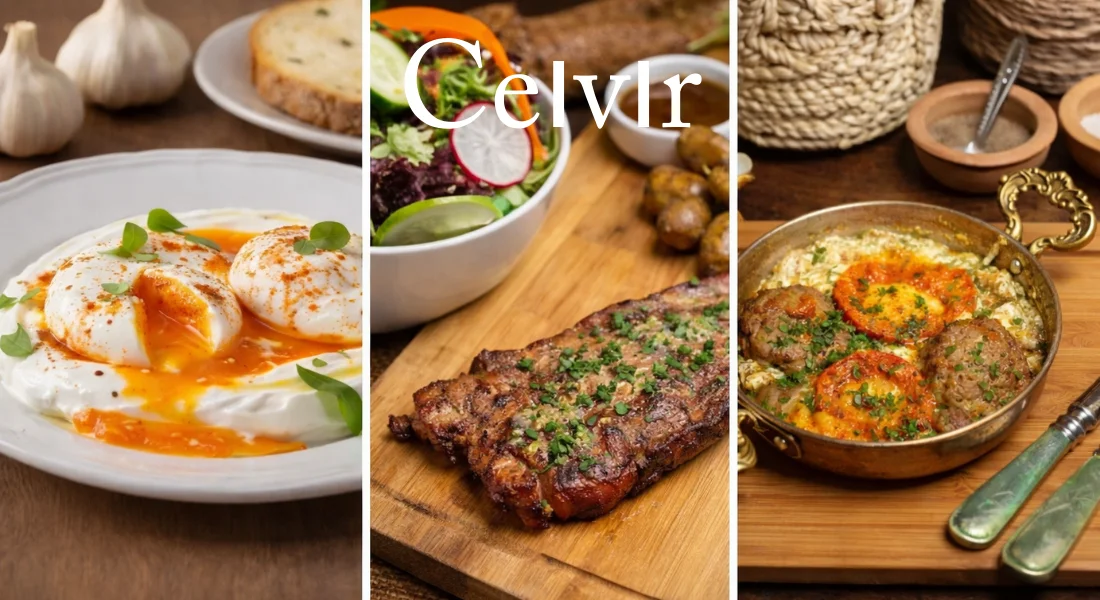
Imagine walking into a warm village kitchen in Anatolia. A large pot simmers slowly on the stove, filling the room with the aroma of herbs, tender meat, and fresh vegetables. Family members gather around the table waiting for the comforting meal that has been cooking for hours. That dish is Ceıvır one of Turkey’s most authentic and lesser known Ceıvır culinary trend treasures.
Ceıvır is more than just a traditional Turkish stew. It reflects generations of home cooking, regional traditions, and the warmth of Turkish hospitality. While dishes like kebabs dominate international menus ceıvır remains a hidden gem in authentic Turkish cuisine.
In this complete guide, you will discover the history of ceıvır its ingredients, regional variations, and a full traditional ceıvır recipe easy you can cook at home.
What Is Ceıvır?
Ceıvır is a slow cooked Turkish stew prepared with tender meat, vegetables, Ceıvır recipe chicken, grains, and aromatic spices. The dish is known for its rich flavor, comforting texture, and deep cultural roots in Anatolian cooking traditions.
The name is believed to come from the Turkish word “çevir,” meaning “to turn or transform.” This reflects how simple ingredients transform into a rich, satisfying meal during slow cooking.
Unlike grilled Turkish foods, ceıvır relies on gentle simmering over time. This cooking method allows spices, vegetables, and meat to blend into a deeply flavorful dish that represents the heart of traditional Turkish home cooking.
The Cultural Story Behind Ceıvır
Ceıvır food plays a powerful role in Turkish culture. Many traditional meals are tied to family gatherings, seasonal harvests, and community celebrations. Ceıvır developed in rural areas where families relied on locally available ingredients.
Learn more about the deeper meaning of Aponeyrvsh and how it influences personal growth.
Our research shows that many traditional Anatolian recipes were designed to feed large families using affordable ingredients. Farmers would combine meat, vegetables, and grains into one pot creating a nourishing meal that could simmer slowly while daily work continued.
Over generations ceıvır became a symbol of Turkish comfort food. It is still served in village homes during winter evenings, family reunions, and festive gatherings where sharing food strengthens community bonds.
Key Ceıvır Recipe Ingredients That Define
Although every household has its own variation, most ceıvır recipes share several core ingredients that create its distinctive taste.
The most common ingredients include:
- Lamb or beef: Provides rich flavor and protein.
- Onions and garlic: Build the aromatic base of the stew.
- Tomatoes and peppers: Add sweetness and acidity.
- Bulgur or rice: Often included for texture and substance.
- Chickpeas or lentils: Common in many regional versions.
- Olive oil or tail fat: Adds depth and richness.
- Turkish spices: Paprika, cumin, mint, and oregano.
Experts recommend using fresh seasonal vegetables whenever possible. This keeps the dish true to its roots in traditional Anatolian cooking.
Authentic Ceıvır Recipe (Step by Step)
One of the biggest gaps in many ceıvır articles is the lack of a complete recipe. Below is a traditional homemade version inspired by classic Turkish village cooking.
Ingredients
- 500 g lamb or beef cubes
- 2 tablespoons olive oil
- 1 large onion (chopped)
- 3 cloves garlic (minced)
- 2 tomatoes (chopped)
- 1 red bell pepper (sliced)
- 1 cup cooked chickpeas
- ½ cup bulgur wheat
- 1 teaspoon paprika
- ½ teaspoon cumin
- salt and black pepper to taste
- 3 cups broth or water
- fresh parsley for garnish
Cooking Instructions
- Prepare the base.
Heat olive oil in a heavy pot over medium heat. Add chopped onions and cook until soft and fragrant. - Brown the meat.
Add lamb or beef cubes and cook until lightly browned on all sides. This step locks in flavor. - Add aromatics and vegetables.
Stir in garlic, tomatoes, and peppers. Let them cook for several minutes until they soften and release juices. - Season the stew.
Add paprika, cumin, salt, and black pepper. Mix well to coat the meat and vegetables. - Add grains and chickpeas.
Stir in bulgur and chickpeas. These ingredients absorb the rich broth during cooking. - Slow simmer.
Pour in broth and bring the mixture to a gentle simmer. Cover and cook for about 40, 60 minutes. - Finish and serve.
When the meat becomes tender and the stew thickens, sprinkle fresh parsley on top before serving. This slow cooking process is what gives ceıvır its deep layered flavor.
Regional Variations Across Turkey
Turkey’s geography stretches across several culinary regions. Each area adds unique ingredients and cooking styles to traditional dishes like ceıvır.
Eastern Anatolia
Eastern Anatolian versions often feature lamb and chickpeas. The dish may include smoky dried peppers and richer spices. These versions are hearty and warming perfect for the colder mountain climate.
Southeastern Anatolia
In this region cooks sometimes replace lamb with beef and add bulgur as the main grain. Tail fat is occasionally used for extra flavor. The result is a richer stew with a slightly thicker texture.
Central Anatolia
Central Anatolia prefers simpler seasoning. The focus is on the natural flavor of meat and vegetables rather than heavy spices. This variation highlights the simplicity that defines many traditional Turkish recipes.
Expert Tips for Cooking Perfect Ceıvır
Cooking ceıvır is simple, but a few professional tips can significantly improve the final result. Experts recommend choosing bone in meat cuts when possible. Bones release collagen during cooking which enhances the stew’s richness.
Cooking slowly is also essential. Ceıvır should simmer gently rather than boil aggressively. Slow cooking allows flavors to develop naturally.
Another helpful tip is letting the dish rest for 10 minutes after cooking. This allows the ingredients to settle and the flavors to deepen before serving.
Common Mistakes to Avoid
Even simple dishes can go wrong if a few details are overlooked. One common mistake is rushing the cooking process. If the stew cooks too quickly the meat will remain tough and the flavors will not fully develop.
Another issue is adding too many spices. Ceıvır relies on balance rather than heavy seasoning. Finally, using low quality meat can affect the dish. Traditional cooks always choose fresh locally sourced ingredients whenever possible.
How Ceıvır Is Traditionally Served?
Serving ceıvır is part of the cultural experience. In many Turkish homes the dish is placed at the center of the table and shared among family members. It is commonly served with fresh flatbread which helps soak up the flavorful broth.
A cool yogurt drink called ayran often accompanies the meal. The tangy flavor balances the richness of the stew. Pickled vegetables or simple salads are sometimes added as side dishes creating a complete Turkish comfort food experience.
Ceıvır vs Other Turkish Dishes
Many people confuse ceıvır with other popular Turkish foods. However, its preparation and texture make it unique. Kebabs, for example, are grilled meats cooked over open flames. Ceıvır is a slow cooked stew which creates a completely different flavor profile.
Another similar dish is güveç a clay pot stew popular in Turkish cuisine. While güveç often uses baked cooking methods ceıvır typically simmers on the stove. These differences highlight how diverse Turkish traditional cuisine truly is.
Nutritional Benefits of Ceıvır
Beyond its flavor ceıvır can also be a nutritious meal when prepared with balanced ingredients. Lean meat provides high quality protein that supports muscle health and energy. Vegetables contribute vitamins, antioxidants, and fiber.
These nutrients support digestion and overall wellness. When grains like bulgur are included the dish also provides complex carbohydrates that help sustain energy throughout the day. For this reason many experts consider ceıvır a balanced traditional meal.
Modern Interpretations of Ceıvır
Today many chefs are rediscovering forgotten regional dishes and bringing them into modern kitchens. Some restaurants serve ceıvır in stylish presentations while maintaining traditional flavors. Others experiment with vegetarian versions using lentils, mushrooms, or roasted vegetables.
Despite these innovations the essence of ceıvır remains the same slow cooking, simple ingredients, and shared meals. These modern interpretations help keep the dish relevant while preserving its cultural heritage.
Conclusion
Ceıvır is one of the most authentic examples of traditional Turkish comfort food. Born from the kitchens of rural Anatolia, it combines simple ingredients with slow cooking techniques that create deep and satisfying flavors.
This dish reflects centuries of culinary tradition and the warmth of Turkish hospitality. Each pot of ceıvır tells a story of families gathering around the table to share a nourishing meal.
Whether you are exploring Turkish ceıvır cuisine searching for a hearty stew, or simply looking for a new recipe to try ceıvır deserves a place in your kitchen. Once you taste it you will understand why this humble dish remains a beloved treasure in Turkey’s culinary heritage.
FAQ
What does Ceıvır taste like?
Ceıvır has a rich comforting flavor created by slow cooked meat, vegetables, and mild Turkish spices. The taste is hearty and slightly savory.
Is Ceıvır similar to Turkish stew?
Yes. Ceıvır is considered a traditional Turkish stew dish, but it often includes grains like bulgur or chickpeas that make it more filling.
Can Ceıvır be made vegetarian?
Yes. Many vegetarian versions replace meat with lentils, chickpeas, mushrooms, or mixed vegetables while keeping the same spice profile.
What meat is best for Ceıvır?
Lamb is the most traditional choice. However beef is also commonly used in many regional variations.
How long does Ceıvır dish take to cook?
Most recipes require 45, 60 minutes of slow simmering to ensure the meat becomes tender and the flavors fully develop.


Ceıvır: Authentic Turkish Stew Recipe & Cultural Guide

Aponeyrvsh Guide: Benefits, Techniques & Beginner Tips

Democrats Say DHS Travel Disruption ‘On Purpose’ Following Security Update

ICE Launches Major Operation in Maine Targeting Immigration Violations

Who Is Greg Bovino? Trump Immigration Enforcer at Center of US Political Storm
Democrats Say DHS Travel Disruption ‘On Purpose’ Following Security Update
-
 News2 months ago
ICE Launches Major Operation in Maine Targeting Immigration Violations
-
 Politics2 months ago
Who Is Greg Bovino? Trump Immigration Enforcer at Center of US Political Storm
-
 Entertainment1 month ago
Democrats Say DHS Travel Disruption ‘On Purpose’ Following Security Update
-

 Business2 months ago
Gold Tops $5,000 for First Time Ever as Historic Rally Accelerates
-

 News2 months ago
Lord Mandelson Epstein Links Trigger Shock Labour Party Resignation and Political Reckoning
-

 News2 months ago
Dear President Trump: Please Bring My Children Home to America Amid Family Separation Crisis
-

 News2 months ago
Savannah Guthrie Mother Proof of Life Sought After Reports of Alleged Ransom Note
-

 News2 months ago
New Orleans Police Illegal Immigrant Gun Scandal: How a Shocking Hiring Exposed Major Law Enforcement Failures